Educational overview only. Prudent Guardian (www.inspirecodingedu.com) is not an insurance company, broker, law firm, or registered investment adviser, and does not provide personalized insurance, investment, tax, medical, or legal advice. Verify details with licensed professionals and official issuers.
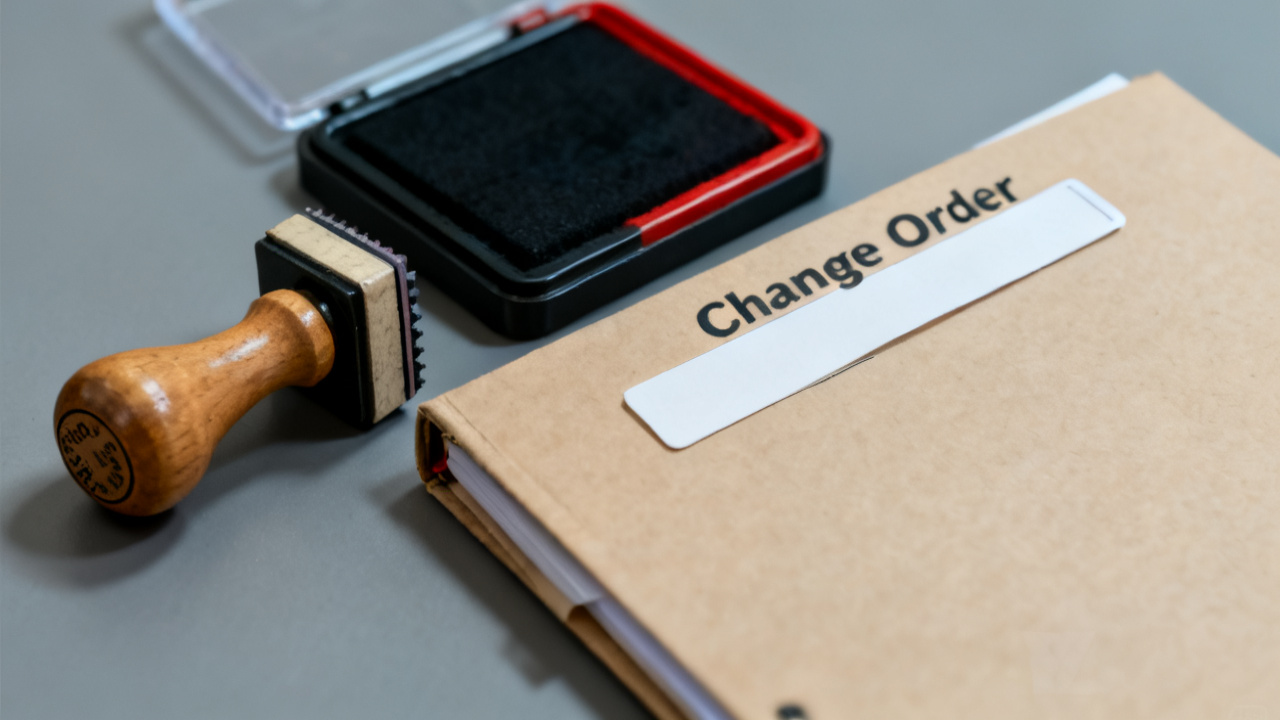
The order lists weather days. It is not a dollar change. You flip to the back of the pay application you submitted last week, cross-referencing the handwritten notes you jotted down the afternoon the unforeseen rain event shut down the site for three straight days. No other change orders are pending for this billing cycle, so this single entry is the only discrepancy between your submitted total and the approved amount staring back at you. A red sticky note from the GC’s project manager peeks out from the top edge, marked only with “weather deferral” in scrawled blue ink.
Track weather day eligibility against your original contract terms
You first confirm that the type of weather event listed qualifies as an excusable delay per the terms you signed before site work began. Most standard construction contracts carve out unforeseen, severe weather events outside of regional historical averages as eligible for schedule adjustments without financial penalty, though some require formal notice within 72 hours of the event to qualify. You cross-check the date listed on the change entry against the email you sent the GC’s office 48 hours after the last day of rain, confirming you hit the notice deadline with time to spare. Illustrative example: 2.7 days of billable crew idle time tied to the recorded weather event are excluded from this specific change entry, as those costs will be addressed in a separate cost impact change order you submit next quarter.
Cross-reference site logs to confirm the documented delay window
You pull the printed daily site logs from the week of the storm to verify the entry matches on-site observations, walking through these steps to confirm alignment:
- Match the start and end dates listed on the weather change entry to the marked rain shutdown dates on the foreman’s daily log, confirming no partial work days were counted as full weather delays.
- Cross-check the official National Weather Service rainfall totals for your site’s zip code against the notes logged by your on-site safety lead, confirming the 3.2 inches of rain recorded meets the contract’s threshold for a severe weather event.
- Verify that no other concurrent delays (like material delivery hold-ups or crew scheduling gaps) were noted on the same days, to eliminate the risk of double-counting delay time across multiple change entries.
- Initial and date the edge of the log page next to the relevant entry to create a paper trail of your verification, then file the log back in your dedicated delay tracking binder.
You find no mismatches during this check, so you mark the entry as verified in your project tracking spreadsheet.
Note the deferral timeline for related cost recovery on future draws
This specific change entry only adjusts the project schedule, not the current draw amount, so you make a note in the margin of the pay document to flag that any associated mobilization, extended equipment rental, or idle labor costs tied to the delay are not being denied, just deferred to a future billing cycle. You add a reminder that these costs must be backed by timesheets, rental receipts, and vendor invoices when you submit them for reimbursement, to avoid pushback from the GC’s accounting team. You also note that the schedule adjustment pushes the substantial completion date out by three full days, eliminating the risk of liquidated damages for that extended window, which saves you from unplanned cost deductions on final billing. You circle the deferred cost line item you jot down to make it easy to spot when you return to this document later.
Log the entry in your active change order folder for ongoing tracking
You create a new digital folder for this weather change entry, adding a scanned copy of the annotated pay document, the site log excerpts, the weather service report, and the original delay notice email you sent to the GC. You can store a scanned copy of this annotated pay document alongside related site logs in Draw Jacket for easy access later. You set a calendar reminder for three weeks before your next pay application submission to pull all related cost documentation and prepare the associated cost impact change entry, so you don’t miss the submission window for that billing cycle. You also add a line item for the schedule adjustment to your master project timeline, so all team members are aware of the shifted substantial completion date when scheduling upcoming phases of work like concrete pouring and interior rough-in.
Wrap up this current review of the pay document
You initial the bottom corner of the weather change entry page to confirm you have reviewed and verified the details, then file the physical copy of the pay document in your approved draw binder next to all previous pay applications from the project. You update your master draw tracking spreadsheet to note the adjusted schedule and deferred cost recovery, so your internal accounting team has the most up-to-date information for project budget forecasting. You do not need to take any further action on this document for this billing cycle, so your current review is complete. You clear the document from your desk, shift your focus to the material takeoff you need to finish for an upcoming bid, and leave the approved draw binder on the corner of your desk for easy access later.
Pull this same document when you prepare your next monthly pay application
When you return to this document as you build your next pay submission, you will first cross-reference the deferred cost line items you noted in the margin against all the receipts and timesheets you have collected for the delay period. You will compare the schedule adjustment listed on this entry to the current project timeline, to confirm no additional delays have impacted the substantial completion date since you filed this entry. You will also pull a copy of the change request form the GC requires for cost impact change orders, and attach a copy of this weather day change entry as supporting documentation for your cost recovery submission. You will be able to reference the notes you added during this review to streamline the submission process, reducing the chance of questions or delays from the GC’s accounting team when you submit the next draw. If any adjustments to the delay window are noted between now and then, you can add those annotations directly to the margin of this same document to keep all related information in one centralized place.