Educational overview only. Prudent Guardian (www.inspirecodingedu.com) is not an insurance company, broker, law firm, or registered investment adviser, and does not provide personalized insurance, investment, tax, medical, or legal advice. Verify details with licensed professionals and official issuers.
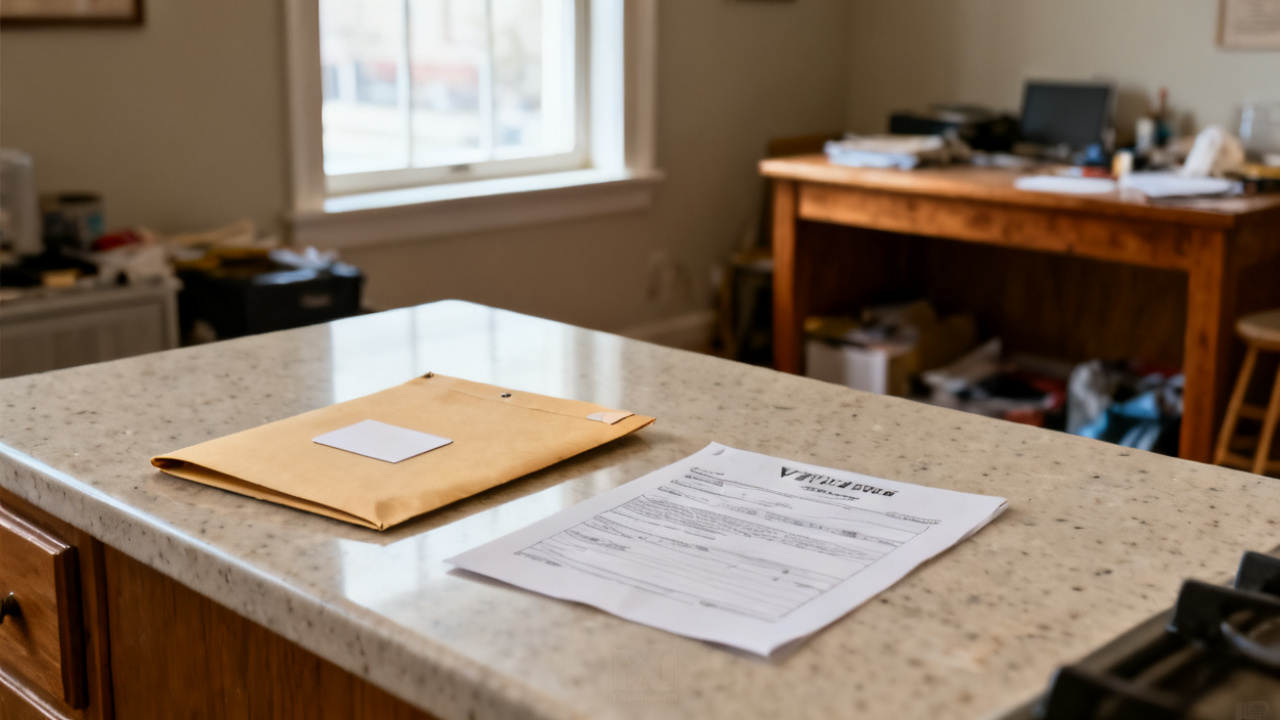
The owner on the form is not the name on the check. You’re squinting at the pay stub you pulled from your desk drawer 10 seconds ago, pen hovering mid-air where you were about to sign off on the draw request reconciliation. The discrepancy jumps out even over the faint smudge of drywall dust along the form’s left edge, and you know if you gloss over it now, you’ll be chasing loose ends three payroll cycles from now. You set the check down next to the form, lining up the amount fields to confirm that part matches at least, before you dive into the details.
What this construction pay document lists
The form in front of you captures all core details tied to this draw period’s approved payment, starting with the legal name of the property owner as listed on the initial signed project contract. It also includes the full job site address, the start and end dates of the draw period, the total amount approved for work completed to date, a line-item breakdown of costs across labor, materials, and approved change orders, and a signature line for your authorized sign-off to confirm receipt of the disbursed funds. The field for paying entity is intentionally left blank on the pre-filled version, because the contracting team does not always have advance visibility into who the owner uses to disburse funds for individual projects. Every line item here ties directly to the work you logged in weekly field reports over the last 30 days, so you already know the scope and amount are correct before you even dig into the name mismatch.

Which pre-filled fields you leave unaltered
You do not edit the owner name listed at the top of the form, even if it does not match the name printed on the check. That field is tied directly to the original executed contract, and altering it would break the clear audit trail between the initial agreement and all subsequent draw requests for the project. You also do not change any of the line-item cost breakdowns, the job site address, or the draw period dates, all of which were approved by both your team and the owner’s representative three business days prior to this payment being sent. The only edits you make are add-ons in the reserved blank margin space, clearly marked as notes added during your review, so anyone accessing the document later can see exactly what information was added and when. You never cross out or white out pre-filled text, even if it seems outdated, because that can raise unnecessary red flags during future audits of project costs.
The 10-minute cross-check you run right now
You set a timer on your phone for 10 minutes to walk through this process, so you don’t get sidetracked by unread emails or other desk tasks while you work. You follow these steps in order to resolve the discrepancy without breaking the document’s audit trail:
- Pull the most recent executed contract addendum that lists all approved pay parties for the project, and match the remittance address printed on the check to the listed address for the entity you contracted with at the start of the job.
- Cross-reference the check number with the remittance advice sent to your accounts receivable inbox 72 hours prior, confirming the amount matches the total approved for this draw period, minus any standard retainage held for the project until final completion.
- Add a typed note in the wide left margin of the pay document that lists the full legal name of the paying entity, the check number, and the planned date of deposit, so no future team member has to track down the same discrepancy when they pull this file later.
- Sign and date the margin note directly below the text you added, to tie the update to your review for audit trail purposes, and add your work email address in case someone has follow-up questions about your notes down the line.
- Send a 2-sentence confirmation email to the project’s designated point of contact, noting the difference between the listed owner and paying party, so they can update their internal records to match and avoid the same mismatch on the next draw request.
You hit stop on the timer when you finish, and it reads 8 minutes and 47 seconds, leaving you plenty of time to grab a quick drink before your next team check-in.
Where this verified copy is filed
First, you scan the signed, annotated version of the document to your team’s shared cloud folder, naming the file with the project number, draw period number, and date of review so it comes up immediately in any search for this project’s pay records. You upload a scanned copy to Draw Jacket for cross-project access, then file the physical copy in the color-coded draw request binder for this project, behind the signed change order for the unit kitchen rough-in work you approved last week. You store a second digital copy in your personal work drive, labeled clearly so you can pull it up in 10 seconds if the point of contact follows up with questions about the paying entity later this week. You don’t leave the physical copy sitting out on your desk overnight, because you keep all sensitive pay records locked in your fireproof file cabinet when you leave for the day to protect both your team and the project owner’s private financial details.
Why you avoid common untested assumptions
You don’t assume the mismatched name means the payment is fraudulent, or that the owner is trying to hide something about their financial setup. Many property owners use separate management entities, family trusts, or third-party pay services to disburse funds for their construction projects, and the mismatch is almost always a standard operational choice, not a red flag. You also don’t assume that the name on this check will be the same name on the check for the next draw period, because some owners rotate between pay entities depending on which investment portfolio the project is tied to. Illustrative example: A $127,400 draw approved for a 12-unit multi-family renovation project is paid by a regional property management group instead of the individual investor listed as the project owner, a common setup when the investor outsources all financial operations for their portfolio to a third party that handles rent collection, vendor payments, and tax reporting for all their holdings. You also don’t assume that the owner’s representative knows about the mismatch, which is why you send that quick confirmation email to make sure their records are aligned with yours, cutting down on unnecessary back-and-forth later.
When you revisit this specific page next
You pull this exact document back up 24 hours before you submit the next draw request for the same project, to confirm the paying entity name before you fill out the remittance information on your next submission. You cross-reference the note you added in the margin with the updated remittance instructions the project point of contact sends you for the next draw, to make sure the account information matches the address on the first check you received. If the paying entity name changes for the next draw, you run the exact same 10-minute cross-check you ran today, adding a new margin note with the updated details before you sign off on that pay document. You also pull this copy if any questions come up during end-of-project reconciliation, when your accounting team is matching all pay deposits to the corresponding draw requests to close out the project’s books. You don’t need to pull it for any other routine tasks, because all the key details are stored in your shared drive and accessible to anyone on your team who needs them for their work.